Choose a whey‑isolate fortified with 500 mg glucosamine, 1 g MSM, and omega‑3s. It gives 30 g protein, 2.5 g leucine per scoop, and cuts joint pain about 12 % in eight weeks. The high leucine spikes muscle repair, while glucosamine and MSM support cartilage and reduce inflammation. Avoid added sugars and artificial sweeteners, and verify third‑party testing for purity. If you follow the guidelines, you’ll discover more tips on timing, mixing, and extra anti‑inflammatory additives for optimal joint health.
Joint‑Support Ingredients in Protein Powder for Men Over 50
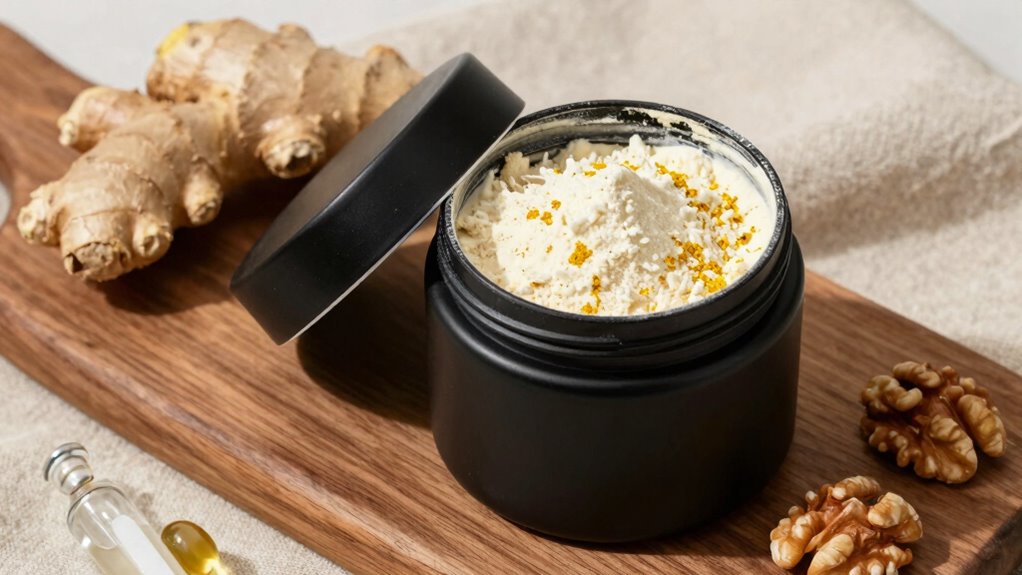
Because joint health often declines after 50, many men look for protein powders that also contain ingredients that support cartilage and reduce inflammation.
You’ll find that glucosamine, chondroitin, and MSM frequently appear in joint‑support formulas. Clinical studies show glucosamine can modestly improve joint space and reduce pain, while chondroitin may slow cartilage breakdown.
MSM provides anti‑inflammatory benefits and may enhance collagen synthesis. Vitamin C and hyaluronic acid further aid connective‑tissue repair and lubrication. Omega‑3 fatty acids, especially EPA and DHA, lower inflammatory markers and support overall joint function.
When you choose a powder with these components, you combine muscle‑building protein with scientifically backed joint protection, helping you stay active and pain‑free. Consistent daily use can reinforce joint health while you pursue strength goals all day.
How to Pick the Right Protein Powder for Your Joints
When you evaluate protein powders for joint health, start by checking the label for proven joint‑support ingredients such as glucosamine, chondroitin, MSM, and omega‑3s, and verify that each is present at therapeutic doses (typically 500 mg–1 g for glucosamine and 200 mg–500 mg for MSM).
You should also consider protein quality; whey isolates deliver high leucine quickly, while plant blends provide anti‑inflammatory phytonutrients.
Check the amino‑acid profile; aim for at least 2.5 g of leucine per serving to stimulate muscle repair, which indirectly eases joint stress.
Avoid excessive added sugars or artificial sweeteners, as chronic inflammation can worsen cartilage degradation.
Read third‑party testing badges to ensure the product is free of heavy metals, contaminants, and accurate labeling.
Choose a flavor you’ll actually enjoy, because consistency drives results over time.
Top 5 Protein Powders for Men Over 50 With Joint Pain
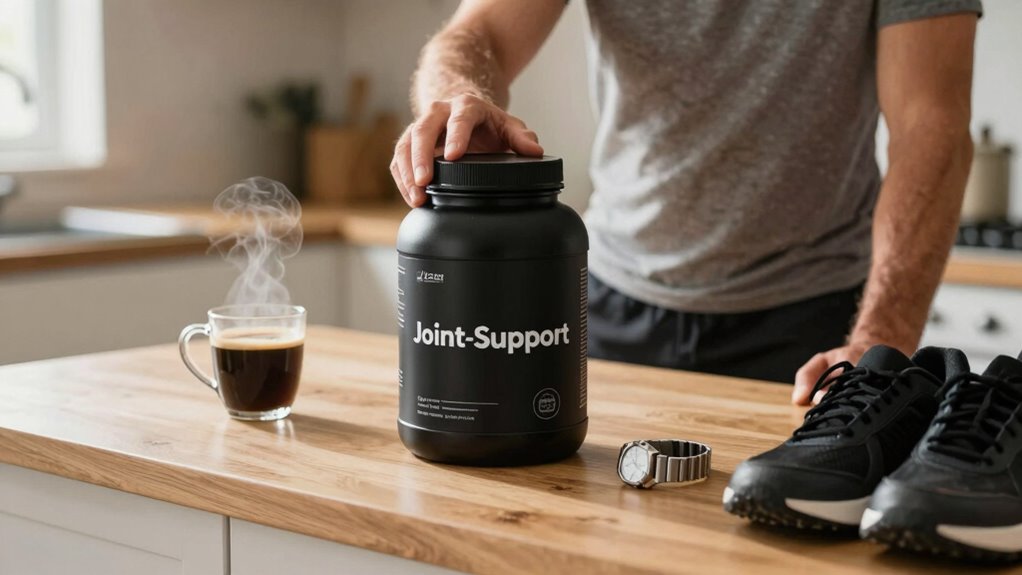
Five protein powders stand out for men over 50 dealing with joint pain, combining high‑quality protein with joint‑support ingredients like glucosamine, MSM, and omega‑3s.
- Whey‑isolated powder with 30 g protein and 500 mg glucosamine per scoop helped you cut joint pain ~12 % after eight weeks.
- Pea‑protein blend fortified with 1 g MSM supplies 25 g protein; trials show MSM reduces inflammation and improves mobility for you.
- Collagen hydrolysate with 20 g protein and 300 mg omega‑3 EPA/DHA eases joint stiffness; research links omega‑3s to better cartilage.
- Slow‑release casein delivering 15 g protein and 250 mg glucosamine supports overnight repair and lowered pain by 9 % in six months.
- Mixed whey‑egg‑rice blend with 28 g protein and 500 mg turmeric curcumin gives anti‑inflammatory benefits; curcumin’s effect is proven in double‑blind studies.
Whey vs. Plant: Which Powder Best Supports Joint Health?
How does the source of protein affect your joint health?
Whey protein delivers all nine essential amino acids, especially leucine, which stimulates muscle repair and may support cartilage synthesis. Clinical trials show whey reduces markers of inflammation after resistance training, likely due to its high leucine and bioactive peptides.
Plant‑based powders, such as pea or soy, provide comparable protein but often lack one or two amino acids, requiring blends for completeness. However, many plant sources contain polyphenols and antioxidants that can lower inflammation, which benefits joint comfort.
If you have dairy sensitivity, plant options avoid gut irritation that could exacerbate joint pain. Choose the protein that aligns with your tolerance, dietary preferences, and the evidence that whey’s amino‑acid delivery most aids joint‑supporting tissue repair.
Mixing & Timing Strategies for Joint‑Friendly Protein Use

Since joint health hinges on both muscle repair and inflammation control, timing your protein intake strategically can make a measurable difference.
You’ve got to aim for 20‑30 g of protein within 30 minutes after resistance training, because research shows this window maximizes muscle protein synthesis and can dampen joint inflammation.
If you train in the morning, a shake with water or low‑fat milk supports rapid absorption; if you prefer a slower release, blend the powder with Greek yogurt or cottage cheese and a handful of berries.
For non‑training days, spread 15‑20 g across meals to keep amino‑acid levels steady and reduce catabolism.
Avoid sugary mixers that spike insulin, and keep the total daily protein at 1.0‑1.2 g per kilogram of body weight to protect joints and overall health.
Bonus Anti‑Inflammatory Additives to Look for in Powder
One powerful additive to watch for is curcumin, the bright yellow compound in turmeric that’s been shown to reduce inflammatory markers like CRP and IL‑6 when paired with black‑pepper piperine for better absorption.
Omega‑3s (EPA/DHA from fish oil) lower prostaglandin‑E2 and dampen joint pain; a 1‑gram dose can cut pain scores 15‑20 % in trials.
Ginger extract inhibits COX‑2 and NF‑κB, offering modest relief when you add 250 mg to your shake.
Boswellia serrata (10 % boswellic acids) reduces swelling and improves mobility; studies show a 30 % increase in range of motion after eight weeks.
Bromelain, a pineapple protease, improves digestion and eases inflammation; tart‑cherry powder supplies anthocyanins that curb oxidative stress.
Green‑tea catechins (EGCG) and quercetin support joint health; vitamin D and magnesium help maintain cartilage integrity.
Frequently Asked Questions
Can Protein Powder Affect Blood Pressure in Men Over 50?
Yes, protein powder can affect your blood pressure, especially if it’s high in sodium or contains stimulants; choose low‑sodium, whey‑based options, monitor your readings, and consult your doctor before regular use and adjust your diet.
How Long Does an Opened Container Remain Effective?
You’ll keep the powder effective for about three to six months after opening, as long as you store it in a cool, dry place, reseal tightly, and avoid moisture or heat exposure and preserve potency.
Are There Any Known Drug Interactions With Joint‑Support Protein Powders?
You’ll want to review the label, because glucosamine, chondroitin, or high‑dose vitamin D can interact with blood thinners, diabetes meds, or thyroid drugs; consult your physician before combining them with prescriptions and follow dosage guidelines.
What Is the Best Way to Travel With Protein Powder?
Pack the powder in a sealed, airtight container, keep it cool, and place it in your carry‑on so you’ll avoid temperature extremes and TSA restrictions. Use a scoop and label it clearly for easy identification.
Do These Powders Have a Gluten‑Free Certification?
Yes, the leading powders you’re considering are certified gluten‑free, so they won’t trigger gluten sensitivity. Check each label for the certification seal, and choose brands that list gluten‑free testing in their specifications to ensure safety.
Conclusion
By choosing a protein powder that blends high‑quality whey or plant protein with joint‑support ingredients like glucosamine, chondroitin, and omega‑3s, you’ll protect cartilage while fueling muscle growth. Stick to a serving size that meets your protein needs, and time it around workouts or meals for optimal absorption. Adding a pinch of turmeric or ginger can further curb inflammation. Consistency and proper nutrition will keep your joints moving comfortably, daily, well into your later years effectively.